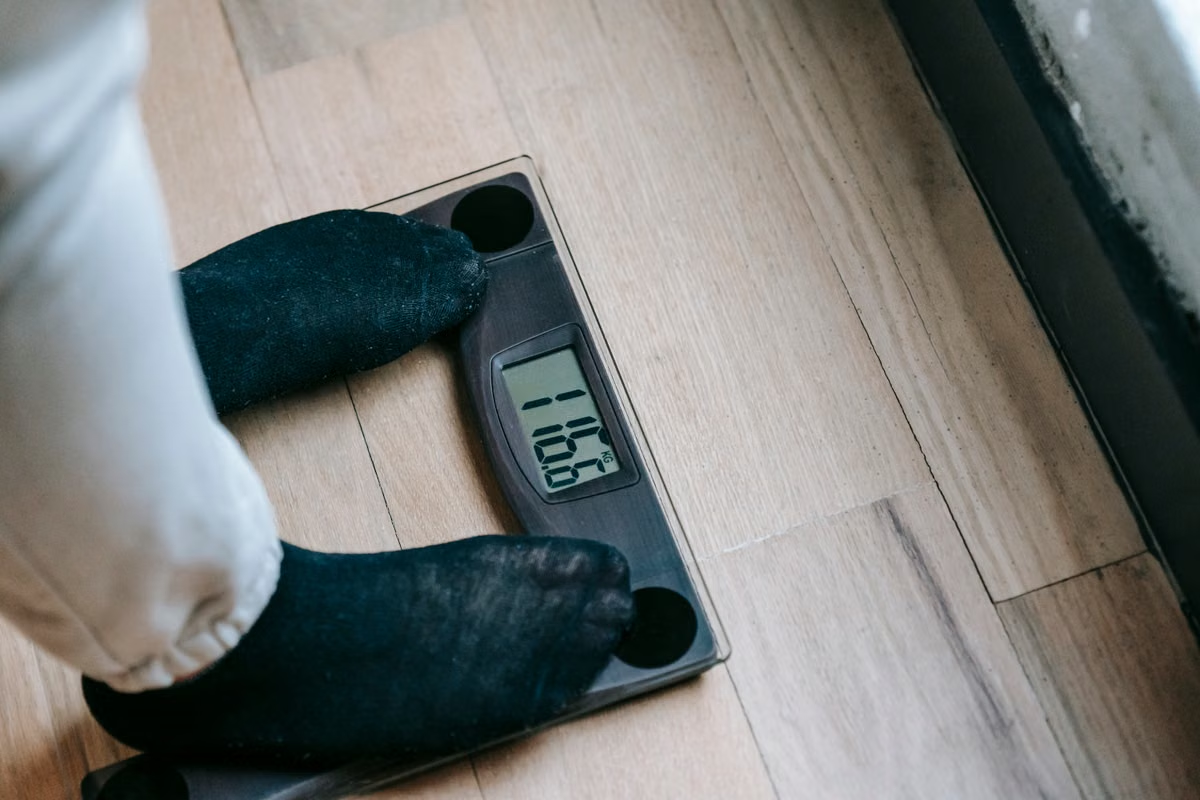
A bathroom scale gives you one number, and that number says very little about what your body is made of. Two people can weigh the same and have very different amounts of muscle, fat and water. That is the reason many clinics now offer body composition assessments, which break a single weight into its parts. If you have been curious about how these tests work, this guide explains the basics in plain language.
What a Scale Shows and What It Misses
Standing on a scale tells you your total mass at that moment. It does not tell you how much of that mass is muscle, body fat or water, and it cannot show how those proportions change over time. Daily fluctuations from meals, hydration and even the time of day can move the number without meaning anything about your health.
Body mass index, or BMI, is another common shortcut. It compares height to weight and sorts people into broad categories. It is a useful screening tool at a population level, but it does not distinguish muscle from fat, so it can be a poor fit for individuals with a lot of lean mass or those who have lost muscle with age.
What Body Composition Means
Body composition describes how your total weight is divided among a few main components.
- Body fat: the portion of your weight that is stored fat.
- Lean mass: muscle and other non-fat tissue.
- Body water: the fluid in and around your cells.
Looking at these pieces together gives a fuller picture than weight alone. It also gives you and your provider something specific to discuss rather than a single figure that can be read many ways.
How These Assessments Generally Work
Many body composition devices use a method called bioelectrical impedance. In simple terms, a painless, low-level electrical signal passes through the body, and the device measures how easily it travels. Different tissues conduct the signal differently, and software uses that information to estimate the amounts of fat, lean mass and water.
The key word is estimate. These tools are not a diagnosis, and readings can be affected by hydration, recent meals or exercise and the way the test is performed. That is why clinics typically give simple preparation guidance and why results are most useful when they are interpreted by a qualified professional rather than read in isolation.
Why Some People Choose a Medical Setting
You can find consumer scales that claim to estimate body composition at home, but a professional assessment adds two things: a consistent, supervised process and someone to help you make sense of the output. Many people look for medical body composition analysis because they want results reviewed with a clinician instead of guessing what a chart means.
As one example of how a clinic may structure this, Elevate Health Group describes an InBody assessment at its Glendale location that measures body fat, muscle mass and water balance in roughly 15 to 20 minutes, with results reviewed with the medical team. Details such as availability and pricing are set by each provider, so confirm them directly before booking.
Getting the Most From a Reading
A single reading is a snapshot. If you decide to repeat an assessment later, try to keep conditions similar, including the time of day and the way you prepare, so that comparisons are fair. Ask the provider which numbers matter for your situation and which are less meaningful, and avoid drawing conclusions from small changes between tests.
It also helps to treat the results as one input among many. Your medical history, current medications, activity level and overall goals all shape what the numbers mean for you, and none of that shows up on a printout.
Questions to Ask Before You Book
- What does the assessment measure, and what are its limitations?
- How should I prepare, and how long will the visit take?
- Who reviews the results with me, and will I receive a written summary?
- Is the service covered by insurance, or is it a self-pay option?
- How does this fit alongside my other checkups and screenings?
Where It Fits in Routine Care
Body composition testing does not replace a checkup. It works best as a complement to regular care, such as an adult physical exam, where your provider can look at your history, ask about symptoms and decide which tests make sense. Bringing your results to that conversation lets you put the numbers in context.
Bottom Line
Weight is a starting point, not the whole story. Body composition assessments offer a more detailed view of how weight is distributed, but they are estimates and are best interpreted with professional guidance. Ask clear questions, keep realistic expectations and discuss any decisions about your health with a licensed provider.
This article is for general information only and is not medical advice. Individual results vary. Consult a licensed healthcare provider about your own health and what testing is appropriate for you.