
As industries strive for sustainability, green manufacturing has emerged as a crucial approach in improving efficiency while reducing environmental impact. Electro-mechanical assembly, which integrates electrical and mechanical components to create functional systems, benefits significantly from eco-friendly manufacturing practices. By incorporating energy-efficient techniques, sustainable materials, and waste reduction strategies, manufacturers can enhance productivity, minimize costs, and ensure regulatory compliance. This article explores how green manufacturing optimizes electro-mechanical assembly efficiency and the long-term benefits it offers.
nnnnThe Role Of Green Manufacturing In Electro-Mechanical Assembly
nnnnGreen manufacturing involves adopting environmentally friendly processes that reduce waste, conserve energy, and use sustainable resources. In electro-mechanical assembly, this means integrating advanced technologies and efficient production methodologies to enhance output while minimizing environmental impact. Key aspects of green manufacturing in electro-mechanical assembly include:
nnnn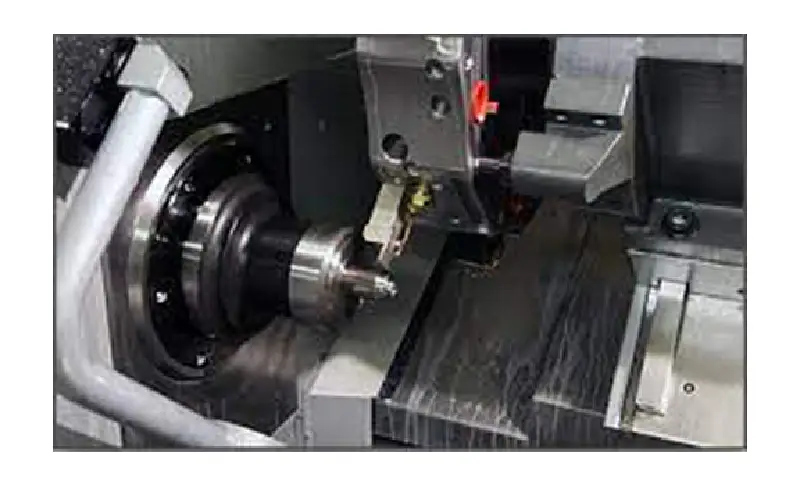
- n
- Energy-efficient production techniques nnnn
- Utilization of sustainable materials nnnn
- Reduction of waste and emissions nnnn
- Implementation of lean manufacturing principles nnnn
- Automation and smart technologies n
By embracing these principles, companies can not only improve operational efficiency but also contribute to a more sustainable industrial ecosystem.
nnnnEnergy-Efficient Production Techniques
nnnnEnergy consumption is a critical factor in electro-mechanical assembly. Green manufacturing focuses on optimizing energy usage through various methods:
nnnn1. Use of Renewable Energy Sources
nnnnSwitching to renewable energy sources such as solar and wind power significantly reduces carbon emissions and operational costs. Manufacturing facilities that implement solar panels or wind turbines can decrease reliance on fossil fuels while ensuring a stable energy supply.
nnnn2. Advanced Energy Management Systems
nnnnSmart energy management systems monitor and control energy consumption in real-time. These systems help identify inefficiencies, reduce unnecessary power usage, and optimize machine operation times, leading to lower energy bills and a reduced carbon footprint.
nnnn3. High-Efficiency Machinery and Equipment
nnnnInvesting in energy-efficient machinery with lower power consumption enhances production efficiency. Modern electro-mechanical assembly lines incorporate energy-saving components such as servo motors and variable frequency drives to optimize performance while reducing power waste.
nnnnUtilization Of Sustainable Materials
nnnnThe choice of materials significantly impacts the efficiency and sustainability of electro-mechanical assembly. Green manufacturing promotes the use of eco-friendly and recyclable materials to reduce environmental impact and improve product longevity.
nnnn1. Recyclable and Biodegradable Materials
nnnnUsing recyclable metals, plastics, and composites ensures that end-of-life products can be reprocessed and reused, minimizing waste. Biodegradable insulation materials also contribute to environmental sustainability by breaking down naturally without harming ecosystems.
nnnn2. Eco-Friendly Soldering and Coating Materials
nnnnTraditional soldering materials contain lead, which poses health and environmental risks. Lead-free solders and water-based coatings reduce toxic emissions while maintaining high-performance standards in electro-mechanical assemblies.
nnnn3. Sustainable Packaging Solutions
nnnnSwitching to biodegradable or reusable packaging materials helps reduce waste in the supply chain. Many companies now use minimalistic and recyclable packaging to minimize their ecological footprint.
nnnnWaste Reduction And Emissions Control
nnnnReducing waste and emissions is a fundamental aspect of green manufacturing. Electro-mechanical assembly processes generate electronic waste, chemical byproducts, and excess materials that can be minimized through various techniques.
nnnn1. Implementing Zero-Waste Manufacturing Practices
nnnnZero-waste initiatives focus on recycling and reusing materials to ensure that no waste goes to landfills. Companies can achieve this by:
nnnn- n
- Using scrap materials for new products nnnn
- Repurposing defective components nnnn
- Partnering with recycling firms n
2. Efficient Water and Chemical Management
nnnnElectro-mechanical assembly processes often involve cleaning and coating components, which require water and chemicals. Adopting closed-loop water recycling systems and environmentally safe chemical alternatives reduces waste and pollution.
nnnn3. Reducing Carbon Footprint through Supply Chain Optimization
nnnnOptimizing the supply chain by sourcing materials locally and using fuel-efficient transportation methods decreases overall emissions. Companies can also adopt just-in-time (JIT) inventory management to reduce material wastage and overproduction.
nnnnLean Manufacturing And Process Optimization
nnnnLean manufacturing principles focus on eliminating inefficiencies, improving workflows, and maximizing resource utilization. When applied to electro-mechanical assembly, these principles enhance efficiency while reducing waste.
nnnn1. Process Automation and Robotics
nnnnAutomation reduces human errors, speeds up production, and minimizes material wastage. Robotic assembly lines ensure precision and consistency while decreasing energy consumption and operational costs.
nnnn2. Predictive Maintenance and Condition Monitoring
nnnnImplementing predictive maintenance strategies helps prevent unexpected breakdowns and extends equipment lifespan. Sensors and IoT-enabled monitoring systems provide real-time insights, allowing manufacturers to schedule maintenance proactively and avoid unnecessary downtime.
nnnn3. Sustainable Workforce Training
nnnnTraining employees in green manufacturing practices ensures efficient implementation. Providing skill development programs focused on sustainability and process optimization empowers workers to contribute to efficiency improvements.
nnnnThe Role Of Smart Technologies In Green Electro-Mechanical Assembly
nnnnThe integration of smart technologies plays a pivotal role in enhancing efficiency and sustainability in electro-mechanical assembly. Technologies such as AI, IoT, and digital twins facilitate real-time monitoring and process improvements.
nnnn1. AI-Driven Quality Control
nnnnAI-based inspection systems detect defects early, reducing material wastage and ensuring high-quality outputs. This minimizes rework and enhances production efficiency.
nnnn2. IoT-Enabled Smart Manufacturing
nnnnIoT devices provide data-driven insights into machine performance and energy usage, allowing for better resource allocation and waste reduction. Connected factories improve decision-making and streamline workflows.
nnnn3. Digital Twin Technology
nnnnDigital twins create virtual simulations of manufacturing processes, enabling manufacturers to test different scenarios before implementation. This optimizes process efficiency, reduces material waste, and enhances product design.
nnnnConclusion
nnnnGreen manufacturing is revolutionizing electro-mechanical assembly by enhancing efficiency, reducing waste, and promoting sustainability. By adopting energy-efficient production techniques, utilizing sustainable materials, and integrating smart technologies, manufacturers can achieve higher productivity while minimizing environmental impact. The transition to green manufacturing not only benefits businesses by lowering costs and improving competitiveness but also contributes to a healthier planet. As industries continue to prioritize sustainability, electro-mechanical assembly operations must embrace eco-friendly practices to ensure long-term success.
n